
.png)
When you first move to NYC, you probably tell yourself you’ll be smart with money. You’ll skip designer clothes. You’ll take the subway everywhere. You’ll cook at home instead of ordering takeout every night.
And then it happens—you walk into your local D’Agostino or Gristedes, grab a box of cereal, and don’t check the price. At checkout, it’s $11. For one box. And somehow, you just… pay it. Welcome to the city.
It’s a rite of passage. Everyone has that moment where they realize groceries here aren’t just expensive—they’re weirdly expensive. Prices can jump wildly depending on where you shop, and it’s not always obvious until it’s too late.
The good news? You can save money on groceries in NYC. It just takes a few adjustments. Here’s what actually works.
1. Easiest step: change where you shop
Most people just go to the grocery store that’s closest to them. But if you’re trying to save money, where you shop matters more than you think.
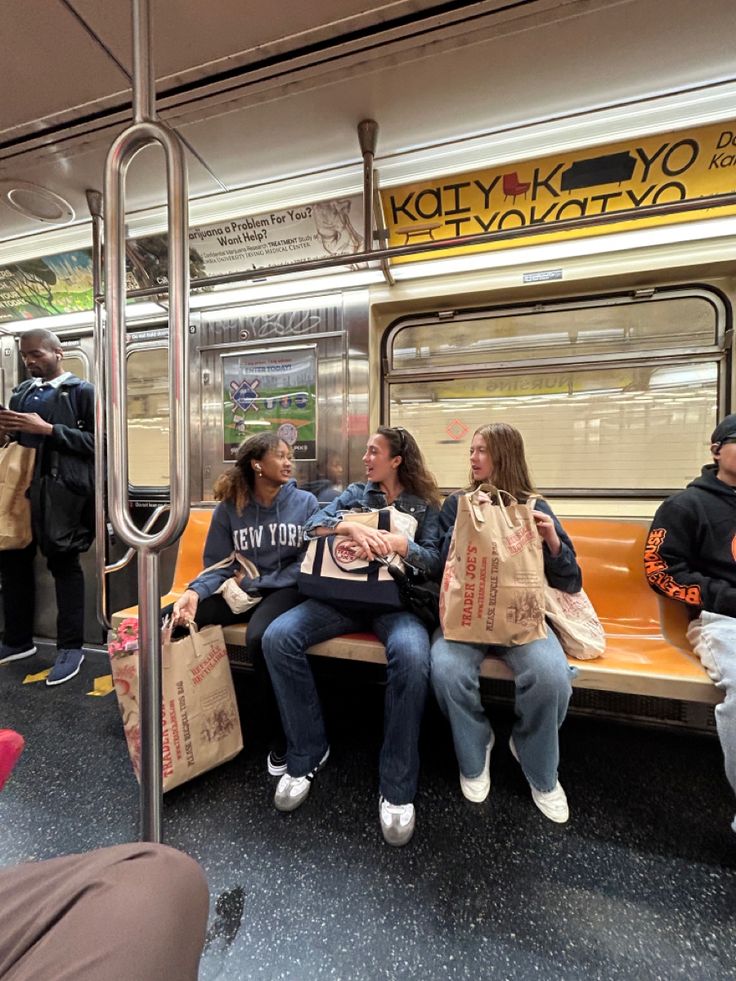
Trader Joe’s is going to be your best bet overall. Most of their stuff is cheap, even things like frozen meals &snacks. It’s also consistent, so you don’t get sticker shock at checkout.
If you’re closer to a Whole Foods, that works too, but only if you stick to their 365 store brand. It’s usually priced the same or cheaper than Trader Joe’s. Just don’t start grabbing name-brand items or you’ll lose the savings.
One trick if you’re shopping at Whole Foods: you can fill in any gaps at Target. Their grocery section is good for stuff like sauces, snacks, and pantry staples. Prices are lower and it’s easy to make one big trip.
2. Avoid overbuying
A lot of people in NYC buy too many groceries without realizing they won’t be home enough to eat them. It makes sense, because it's hard to know exactly what your plans look like, and it's theoretically a good idea to stock up once a week.
But most people here aren’t eating three meals a day at home. You’ll probably go out a couple nights, or get free lunch at work, or meet a friend last minute. If you don’t think about those things in advance, you end up throwing food away.
Try this: before you shop, look at your week. Which nights are you eating out? Do you have a work thing with free food? Are you going to be too tired to cook one night?
If you plan around that, you’ll buy less. Bonus: knowing you have dinner plans later in the week can actually make it easier to cook on the nights you are home. It feels less like a chore and more like part of the plan.
3. Order shelf-stable stuff online
Canned goods, snacks, drinks, and anything heavy can usually be ordered for cheaper online. Amazon and Walmart both have solid prices, and you don’t have to carry it all home yourself.
This is especially helpful if you live in a walk-up or take the subway home. No one wants to lug home three bags of LaCroix and a family-size peanut butter. Let someone else do the carrying.

4. Take advantage of meal kit intro offers
Meal kits get a bad rep for being expensive, and they usually are—unless you’re using an intro deal. Then they’re actually pretty cheap.
Right now, you can get:
- EveryPlate – meals starting at $1.99
- HelloFresh – 10 free meals and a free item for life
- Factor – $130 off across your first 6 boxes with code FACTOR130N
- What a Crock Meals – 15% off your first order with code NYPOST15
These deals change all the time, but they’re almost always worth trying once. You can cancel after your first box, and it’s a good way to mix up your routine without paying full price. Plus, no grocery shopping. But, it's crucial ensure you have some accountability to cancel. Try making it a calendar item on your work calendar, to ensure it's top of mind.
5. Freeze stuff
This one’s underrated. A lot of NYC kitchens are small, so people don’t think they have freezer space. But freezing things can save you a lot of money—and stress.
If you live alone (or mostly cook for yourself), you’ll almost always have leftovers or extra ingredients. And if you have an unexpected dinner out one night, that’s one more meal you didn’t get to.
Freeze anything you can. Bread, leftovers, raw meat, even cooked meals you didn’t finish. It's not the most glamorous, but it might save you later on, especially if you didn't buy enough protein for the week or desperately need an ingredient.